Your guide to birdwatching in the Southern Downs & Granite Belt
They say birds of a feather flock together, and it’s easy to see why nature enthusiasts are drawn to the Southern Downs & Granite Belt to witness the region’s incredible birdlife.
Located only two hours from Brisbane, you won’t need to go far to encounter feathered friends amongst the region’s dramatic granite outcrops, dense bushland, quiet lakes, wildflower-strewn meadows and rolling hills. Whether you’re a casual observer or an experienced twitcher, you’ll be amazed by the diverse native species from the elusive Lyrebird (listen out for its famous mimicry) and the vibrant Crimson Rosella to the elegant Black Swans and Great Egrets.
Well-marked trails make spotting easy and there are plenty of places to stay to reconnect in nature. Read on for the best spots to explore.
Best places to bird watch in the Southern Downs & Granite Belt
For a full list of where to find birds in the Southern Downs and Granite Belt, download the Bird Places of the Southern Downs Guide.
Girraween National Park

Girraween National Park
Girraween National Park is one of Queensland’s most rewarding birdwatching destinations, thanks to its diverse habitats from open eucalypt forests to granite outcrops and creeks. Many popular trails like the Junction Track and Castle Rock Track offer diverse birdlife as well as creeks dotted with rock pools and spectacular blooming wildflowers in the springtime.
Keep an eye out for the Chestnut-rumped Heathwren, Satin Bowerbird, Eastern Spinebill, Spotted Quail-thrush, White-eared Honeyeater, Crimson Rosellas, Superb Lyrebird, Brown Quail, Common Bronzewing, Wonga Pigeon, Varied Sittella and Grey Fantail. The park’s woodlands are home to Wedge-tailed Eagles and Yellow-tufted Honeyeaters, while quieter walkers might spot the rare Turquoise Parrot. Early morning along Bald Rock Creek is prime time for bird activity.
Main Range National Park
Main Range National Park is a UNESCO World-heritage site known for its dramatic peaks and rainforest gullies which provide ideal conditions for both highland and subtropical bird species.
Attracting serious birders and hikers from near and far, the landscape is home to diverse wildlife, including rare and endangered species like the Albert’s Lyrebird, Australian Logrunners and Rufous Fantails in the shaded undergrowth. Open ridges and lookouts often have Wedge-tailed Eagles, Peregrine Falcons and Crimson Rosellas. The Goomburra section is a hotspot for Bowerbirds and Regent Honeyeaters too.
Sundown National Park
Sundown National Park
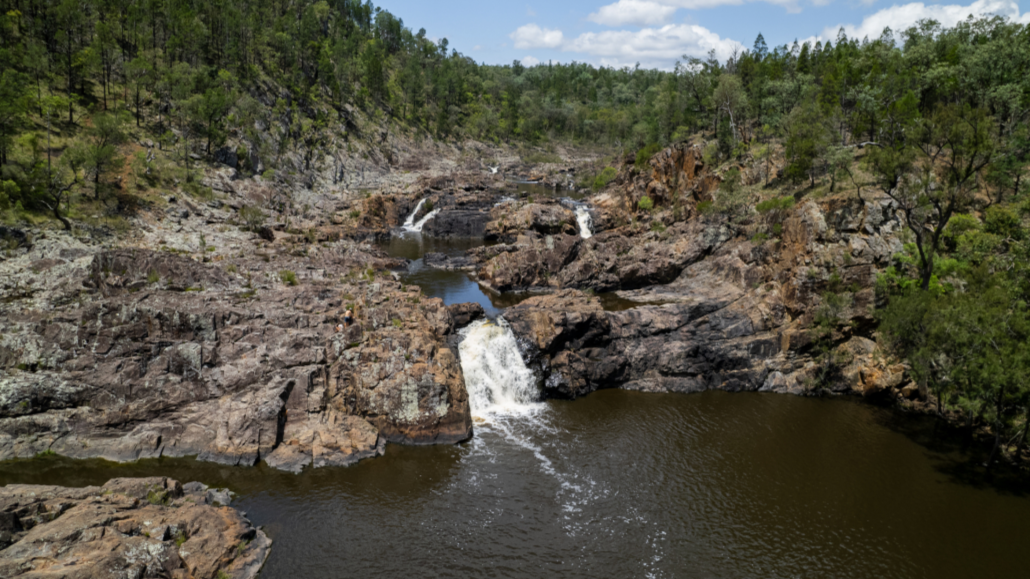
Sundown National Park on the Queensland–New South Wales border, is an isolated nature reserve with dramatic landscape of sheer-sided gorges, tree-lined ridges and peaks rising over 1,000 metres above the Severn River.
The river and its tributaries attract spectacular species of woodland birds which can be discovered via maintained walking tracks, challenging remote walks and four-wheel-driving. As its name suggests, the Permanent Waterhole track on the Severn River is an inland lake even at the driest of times and is ideal for bird watching in early morning or late afternoon. Many species of Woodswallow, Flycatcher and Robin can be seen here, and Turquoise Parrot are quite regular visitors throughout the winter months.
You can see ducks, herons, cormorants and Azure Kingfisher along the river and nocturnal species like Owls active at dusk and into the night, so listen for their calls.
Mt Marlay Lookout & Summit Loop
For panoramic views over Stanthorpe, the Mt Marlay picnic area and lookout delivers. The Summit Loop, a short concrete path that that encircles the summit and provides filtered views of the surrounding trees, attracts various bird species.
Mt Marlay has mixed eucalypt habitat and is home to Common Bronzewing, Wedge-tailed Eagle, Whistling Kite, Crimson Rosella, White-throated Treecreeper, Red Wattlebird and many more. Pack a picnic and settle in at the top for relaxing views over the Granite Belt.
Queens Park River Walk
Located along the Condamine River in Warwick, the Queens Park River Walk is a combination of eucalyptus trees, riverbanks with reedy habitat and large grassed areas.
It’s attractive to common waterbirds and riverine raptors including Mallard, Australasian Grebe, Brown Cuckoo-Dove, Tawny Frogmouth, Australasian Darter, Great Egret, Azure Kingfisher, Oriental Dollarbird and the Australian King Parrot to name a few.
Leslie Dam
Leslie Dam
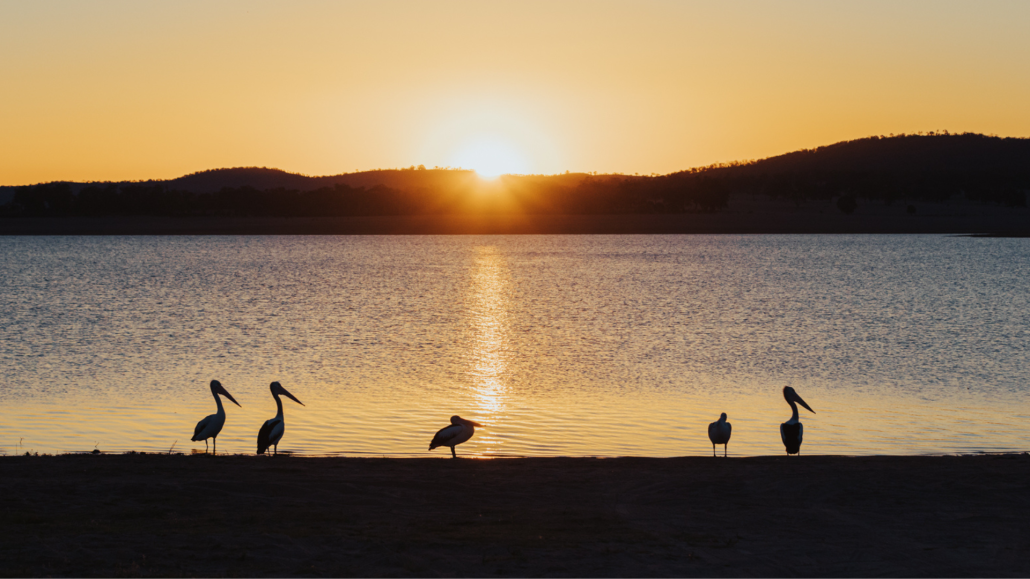
Combining beautiful water views and excellent birdwatching, Leslie Dam is known for its diverse habitats and variety of species like the Black Swan, Royal Spoonbill, Cockatiel, and Red-rumped Parrot.
At the southern end lies Rockland Reserve, a boulder filled inlet bordering Sandy Creek where it runs into Leslie Dam. Open eucalyptus bushland and creek beds provide a home for a range of birds including the Great Crested Grebe, Pied Stilt, Black-fronted Dotterel, Whistling Kite, Sacred Kingfisher, Spotted Pardalote, Grey-crowned Babbler and Restless Flycatcher.
What birds are in the Southern Downs region?
From the tranquil waters of Leslie Dam to the bushland of our stunning National Parks, Stanthorpe and the Southern Downs is alive with birdlife. Here’s some species to look out for:
Parrots and Cockatoos
- Crimson Rosella
- Australian King Parrot
- Rainbow Lorikeet
- Galah
Ground birds
- Superb Lyrebird
- Regent Bowerbird
- Painted Buttonquail
- Spotted Quail-thrush
- Purple-backed Fairywren
Water birds
- Azure Kingfisher
- Pacific Black Duck
- Australasian Darter
- Great Egret
Raptors
- Wedge-tailed Eagle
For a full list of birds in the Southern Downs you can:
- Download the Bird Places of the Southern Downs Guide.
- Pick up a copy of the Bird Places of the Southern Downs Guide at the Visitor Information Centres. Purchase a copy of the detailed Birds of the Southern Downs book at the Visitor Information Centres.
Where to stay close to nature
Adjinbilly Rainforest Retreat
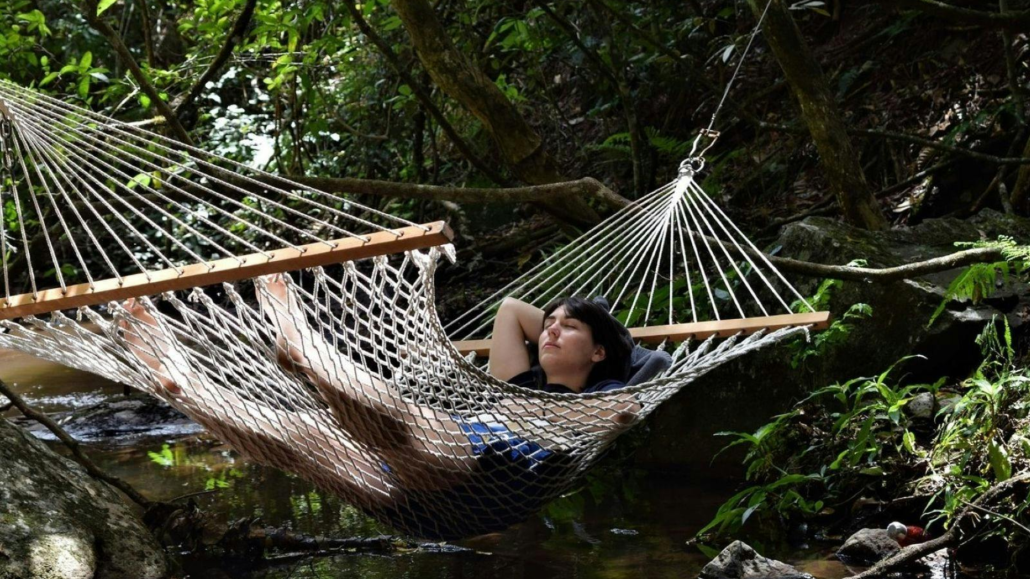
Adjinbilly Rainforest Retreat – Set in a secluded rainforest gorge 12 km from Killarney, Adjinbilly offers three self-contained, eco-powered cabins for a private escape where guests can explore and reconnect with nature. Beyond birdwatching, activities range from swimming, glow worm tours, campfires and rainforest walks.
Goomburra Valley Campground – Set on the scenic banks of Dalrymple Creek near Goomburra, offers family-friendly camping with powered and unpowered sites and a bunkhouse. Ideal for couples and groups (it’s even pet friendly), enjoy creek swimming, campfires, a camp kitchen and bird feeding.
Bush Farm Camp by the Dam – Just 15 minutes from Stanthorpe is , which is exactly as the name suggests. This no-frills private property is popular unpowered camp sites, bush walks and wildlife watching within the rocky terrain.
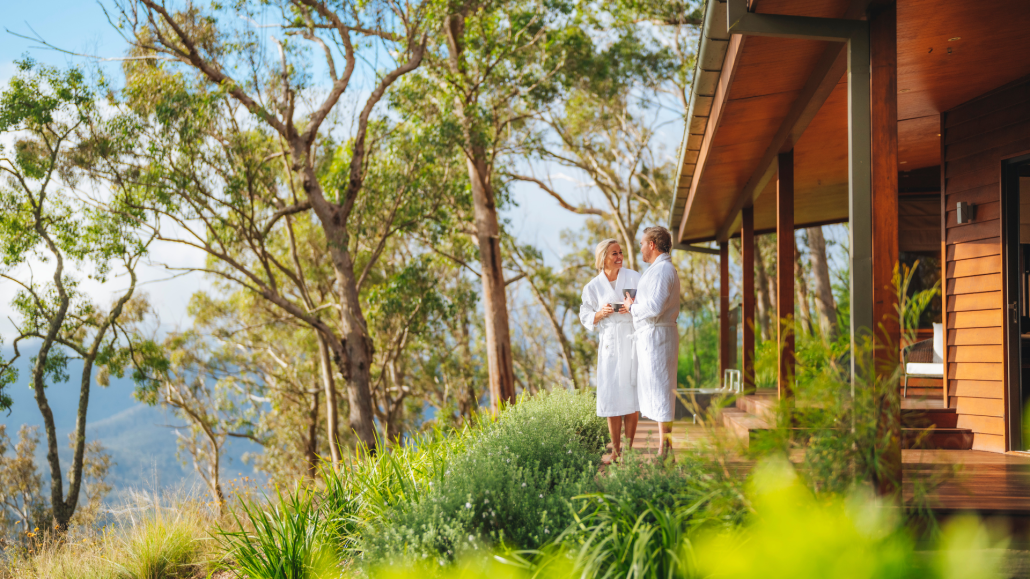
Spicers Peak Lodge
Spicers Peak Lodge – This luxurious retreat nestled atop a mountain and surrounded by the World Heritage-listed Main Range National Park. The lodge offers an intimate wilderness experience with 10 suites and two private lodges, all situated on 8,000 acres of pristine land. Birdwatching enthusiasts will find Spicers Peak Lodge to be a haven, as it is located within the Scenic Rim Important Bird Area – noted for its significance in bird conservation. Beyond birdwatching, the lodge offers mountain biking, stargazing, indulgent spa treatments and fine dining experiences.
Girraween National Park – This site offers several campsites all connected in nature. Well-equipped areas like Kambuwal, Terrawambella and Castle Rock cater to tents, camper trailers and caravans, while adventurous bushcamping is also possible in remote sections for those with navigation skills and a commitment to minimal impact. Wherever you choose, wildlife will be present so be ready to spot possums or insectivorous bats at night and wake to the calls of native birds. Camping permits apply.
Main Range National Park: Provides a range of camping experiences; both developed camping areas and remote area bush camping sites. Spicers Gap, Poplar Flat and Manna Gum camping areas are suitable for tents, caravans and trailers. The diverse habitats support a rich array of wildlife, including over 200 bird species and numerous mammals, reptiles, and frogs.
What to bring Birdwatching
For a successful birdwatching experience, bring binoculars and a bird field guide to help spot and identify species. Wear earth-toned clothing and a hat to stay camouflaged and protected from the sun while observing wildlife.
Bird watching tips and tricks
- Birds are most active early morning or late afternoon
- Be quiet and observe patiently
- Always stay on designated trails to protect fragile habitats and avoid disturbing wildlife
Need help planning?
Our Visitor Information Centres offer a wealth of knowledge and advice. Click here to see where they’re located in the region.
While you’re here
Want to explore each town some more? Click here for a guide to Stanthorpe, Warwick and all towns.
 https://southerndownsandgranitebelt.com.au/wp-content/uploads/2026/09/The-Church-Project.png
1080
1920
Vivien Doneley
https://southerndownsandgranitebelt.com.au/wp-content/uploads/2017/08/SDGB_Logo_Jacaranda_600x195.png
Vivien Doneley2026-09-11 05:14:452026-09-11 05:14:45See it again for the first time: Restorations and renovations in the Southern Downs & Granite Belt
https://southerndownsandgranitebelt.com.au/wp-content/uploads/2026/09/The-Church-Project.png
1080
1920
Vivien Doneley
https://southerndownsandgranitebelt.com.au/wp-content/uploads/2017/08/SDGB_Logo_Jacaranda_600x195.png
Vivien Doneley2026-09-11 05:14:452026-09-11 05:14:45See it again for the first time: Restorations and renovations in the Southern Downs & Granite Belt https://southerndownsandgranitebelt.com.au/wp-content/uploads/2026/09/The-Abbey-Warwick.png
1080
1920
Vivien Doneley
https://southerndownsandgranitebelt.com.au/wp-content/uploads/2017/08/SDGB_Logo_Jacaranda_600x195.png
Vivien Doneley2026-09-10 23:58:272026-09-10 23:58:27Where to warm up on cool winter nights in the Southern Downs & Granite Belt
https://southerndownsandgranitebelt.com.au/wp-content/uploads/2026/09/The-Abbey-Warwick.png
1080
1920
Vivien Doneley
https://southerndownsandgranitebelt.com.au/wp-content/uploads/2017/08/SDGB_Logo_Jacaranda_600x195.png
Vivien Doneley2026-09-10 23:58:272026-09-10 23:58:27Where to warm up on cool winter nights in the Southern Downs & Granite Belt https://southerndownsandgranitebelt.com.au/wp-content/uploads/2026/05/Blume-Restaurant-Dining-Experience.png
1080
1920
Vivien Doneley
https://southerndownsandgranitebelt.com.au/wp-content/uploads/2017/08/SDGB_Logo_Jacaranda_600x195.png
Vivien Doneley2026-06-23 00:37:012026-06-23 00:37:01Short walks with big payoffs in the Southern Downs & Granite Belt
https://southerndownsandgranitebelt.com.au/wp-content/uploads/2026/05/Blume-Restaurant-Dining-Experience.png
1080
1920
Vivien Doneley
https://southerndownsandgranitebelt.com.au/wp-content/uploads/2017/08/SDGB_Logo_Jacaranda_600x195.png
Vivien Doneley2026-06-23 00:37:012026-06-23 00:37:01Short walks with big payoffs in the Southern Downs & Granite Belt https://southerndownsandgranitebelt.com.au/wp-content/uploads/2026/06/SDRC-Blog-Images-17.png
1080
1920
Vivien Doneley
https://southerndownsandgranitebelt.com.au/wp-content/uploads/2017/08/SDGB_Logo_Jacaranda_600x195.png
Vivien Doneley2026-06-23 00:35:222026-07-31 05:35:54Destination dating: Your Southern Downs town match
https://southerndownsandgranitebelt.com.au/wp-content/uploads/2026/06/SDRC-Blog-Images-17.png
1080
1920
Vivien Doneley
https://southerndownsandgranitebelt.com.au/wp-content/uploads/2017/08/SDGB_Logo_Jacaranda_600x195.png
Vivien Doneley2026-06-23 00:35:222026-07-31 05:35:54Destination dating: Your Southern Downs town match https://southerndownsandgranitebelt.com.au/wp-content/uploads/2026/06/SetInStoneMedia_WAExSDGB_BluebirdKitchen_231120_1112_3O5A4516.jpg
1333
2000
Vivien Doneley
https://southerndownsandgranitebelt.com.au/wp-content/uploads/2017/08/SDGB_Logo_Jacaranda_600x195.png
Vivien Doneley2026-06-11 01:54:532026-06-11 01:54:53Taste the Southern Downs: Fresh produce and farmers markets
https://southerndownsandgranitebelt.com.au/wp-content/uploads/2026/06/SetInStoneMedia_WAExSDGB_BluebirdKitchen_231120_1112_3O5A4516.jpg
1333
2000
Vivien Doneley
https://southerndownsandgranitebelt.com.au/wp-content/uploads/2017/08/SDGB_Logo_Jacaranda_600x195.png
Vivien Doneley2026-06-11 01:54:532026-06-11 01:54:53Taste the Southern Downs: Fresh produce and farmers markets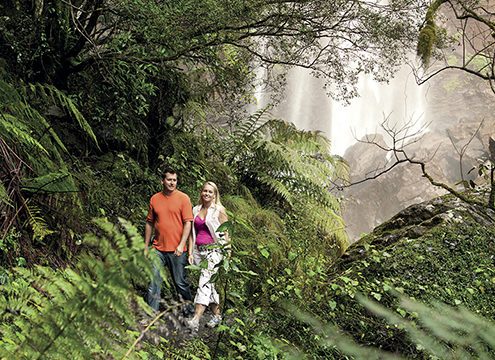 https://southerndownsandgranitebelt.com.au/wp-content/uploads/2017/03/National-Parks_640x360.jpg
360
640
Vivien Doneley
https://southerndownsandgranitebelt.com.au/wp-content/uploads/2017/08/SDGB_Logo_Jacaranda_600x195.png
Vivien Doneley2026-06-11 01:52:152026-06-11 01:52:15Your guide to birdwatching in the Southern Downs & Granite Belt
https://southerndownsandgranitebelt.com.au/wp-content/uploads/2017/03/National-Parks_640x360.jpg
360
640
Vivien Doneley
https://southerndownsandgranitebelt.com.au/wp-content/uploads/2017/08/SDGB_Logo_Jacaranda_600x195.png
Vivien Doneley2026-06-11 01:52:152026-06-11 01:52:15Your guide to birdwatching in the Southern Downs & Granite Belt https://southerndownsandgranitebelt.com.au/wp-content/uploads/2021/03/SetInStoneMedia_WAExSDGB_GlenedenFamilyFarm_231120_0553_3O5A3853.jpg
1333
2000
Vivien Doneley
https://southerndownsandgranitebelt.com.au/wp-content/uploads/2017/08/SDGB_Logo_Jacaranda_600x195.png
Vivien Doneley2026-06-05 00:12:562026-06-10 05:21:21Meet The Makers of the Southern Downs & Granite Belt
https://southerndownsandgranitebelt.com.au/wp-content/uploads/2021/03/SetInStoneMedia_WAExSDGB_GlenedenFamilyFarm_231120_0553_3O5A3853.jpg
1333
2000
Vivien Doneley
https://southerndownsandgranitebelt.com.au/wp-content/uploads/2017/08/SDGB_Logo_Jacaranda_600x195.png
Vivien Doneley2026-06-05 00:12:562026-06-10 05:21:21Meet The Makers of the Southern Downs & Granite Belt https://southerndownsandgranitebelt.com.au/wp-content/uploads/2026/06/BallandeanEstate-26.jpg
683
1024
Vivien Doneley
https://southerndownsandgranitebelt.com.au/wp-content/uploads/2017/08/SDGB_Logo_Jacaranda_600x195.png
Vivien Doneley2026-06-05 00:10:042026-06-10 05:22:19Best wineries to visit near Brisbane
https://southerndownsandgranitebelt.com.au/wp-content/uploads/2026/06/BallandeanEstate-26.jpg
683
1024
Vivien Doneley
https://southerndownsandgranitebelt.com.au/wp-content/uploads/2017/08/SDGB_Logo_Jacaranda_600x195.png
Vivien Doneley2026-06-05 00:10:042026-06-10 05:22:19Best wineries to visit near Brisbane https://southerndownsandgranitebelt.com.au/wp-content/uploads/2018/10/Day-Four-QMF-Family.jpg
600
800
Vivien Doneley
https://southerndownsandgranitebelt.com.au/wp-content/uploads/2017/08/SDGB_Logo_Jacaranda_600x195.png
Vivien Doneley2026-05-28 03:45:132026-06-01 05:08:31How to spend a family day out in the Southern Downs
https://southerndownsandgranitebelt.com.au/wp-content/uploads/2018/10/Day-Four-QMF-Family.jpg
600
800
Vivien Doneley
https://southerndownsandgranitebelt.com.au/wp-content/uploads/2017/08/SDGB_Logo_Jacaranda_600x195.png
Vivien Doneley2026-05-28 03:45:132026-06-01 05:08:31How to spend a family day out in the Southern Downs